Getting a mortgage in autumn 2026: a 3.9% average lek rate and a cautious central bank
Mortgage lending grew 16.1% year on year and the average lek mortgage rate held at 3.9%. Here is what that means for first-time buyers.
By Galip Sulaj5 min read
Mortgage lending in Albania is growing at its fastest pace in years, and the Bank of Albania is asking banks to stay careful. If you are thinking of buying your first home this autumn, whether you live in Albania or are buying from abroad, here is what the latest data says about interest rates, how purchases are financed, and the two ratios that decide how much you can borrow.
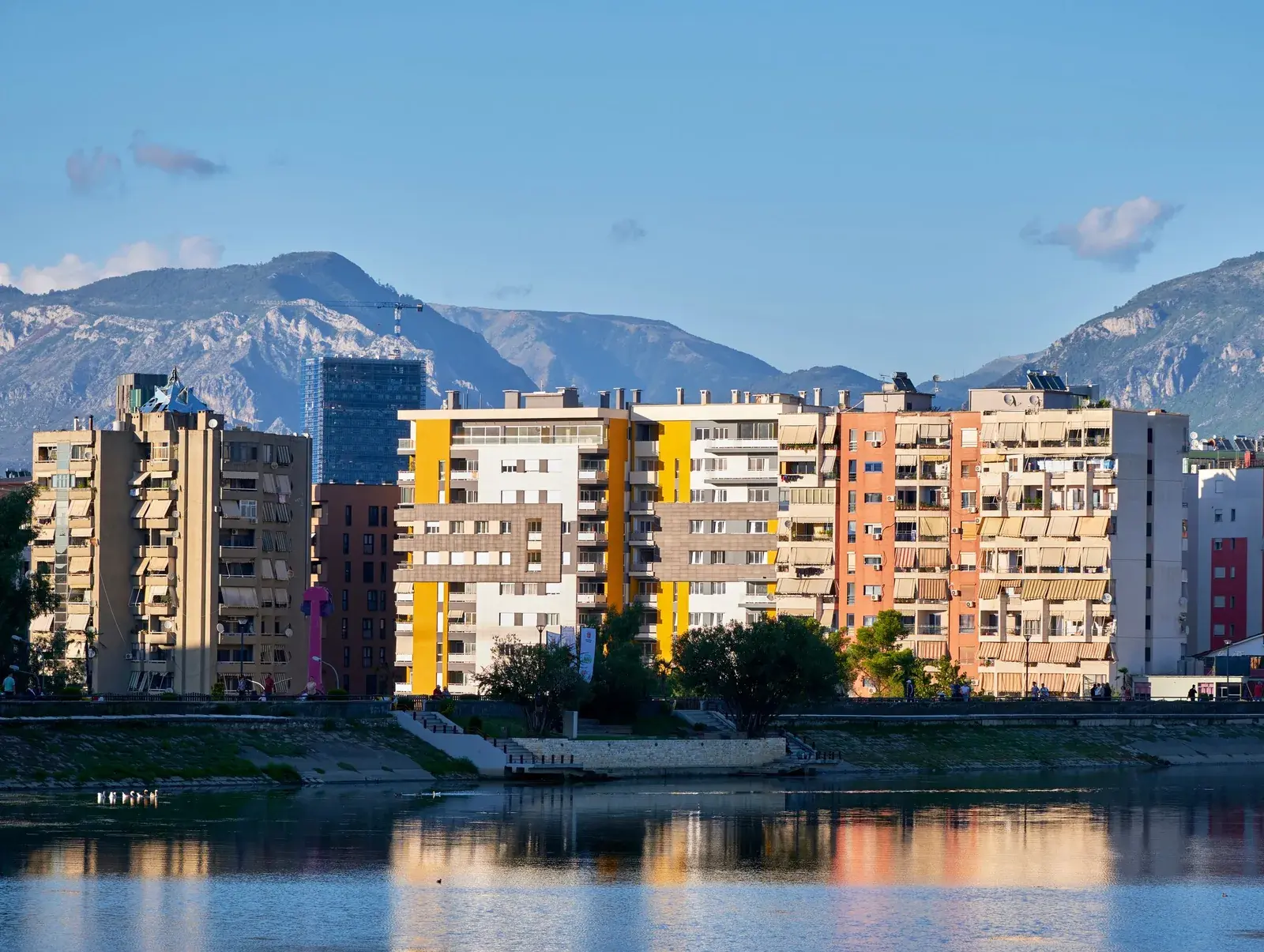
Cover photo: Enis Mehmeti / Pexels
The key numbers
- Annual growth in mortgage lending, H1 2026
- +16.1%
- Average interest rate on lek mortgages
- 3.9%
- Property purchases financed with bank credit, H1 2026
- 58%
- Credit to GDP, the highest level in a decade
- ~35%
According to figures presented by Governor Gent Sejko at his meeting with bank chief executives on 16 September 2026, private-sector credit grew 14.3% year on year in the first half of 2026, and mortgage credit grew 16.1%. The ratio of credit to gross domestic product reached about 35%, the highest in ten years (Monitor, 16 September 2026). The average interest rate on lek-denominated mortgages stayed at 3.9% (Ekofin, 16 September 2026).
The Bank of Albania's Financial Stability Report for the first half of the year, published on 23 September 2026, completes the picture. Lending to individuals grew by about 17% a year, and half of all new household credit went on home purchases, mostly in lek. Lending standards were unchanged and approval rates improved slightly (Ekofin, 23 September 2026). Bank credit financed about 58% of residential and commercial property purchases (Bold News, 23 September 2026).
Why the central bank is urging caution
At the 16 September meeting, Governor Sejko stressed that credit growth must continue carefully and in a healthy way. He said the central bank's macroprudential limits, based on the loan-to-value ratio (LTV) and the debt-service-to-income ratio (DSTI), have had the expected effect (Monitor and Ekofin, 16 September 2026).
There is a reason for the caution. In its Financial Stability Report, the Bank of Albania ranks developments in the real-estate market as the second-largest source of risk to the financial system, after international uncertainty (Ekofin, 23 September 2026). For you as a buyer, this does not mean credit is drying up, but that banks will look closely at your income, the property valuation and your down payment.
LTV and DSTI: the two ratios that set your borrowing limit
LTV (loan-to-value) is the share of the property's value that the loan covers. The value that counts is the bank's own valuation, not necessarily the price you agreed with the seller. If the valuation comes in below the price, you will usually have to cover the gap yourself. For a first idea of market value, you can try our property valuation tool.
DSTI (debt-service-to-income) is the share of your monthly income that goes on repaying all your debts. The more other commitments you have, the smaller the mortgage you can be approved for.
The exact thresholds are set in Bank of Albania regulations, and we are not printing them here until we have checked them against the official text. In practice, many buyers borrow well below the maximum: according to the central bank's survey for the first half of 2026, in about a third of cases the loan covered up to 60% of the property's value (Bold News, 23 September 2026).
Before you pay a deposit or sign a preliminary contract, ask the bank for a written preliminary assessment of how much it would lend you based on your income. Ask directly which LTV and DSTI limits apply in your case and which documents you will need. If you earn abroad, ask how foreign income is assessed.
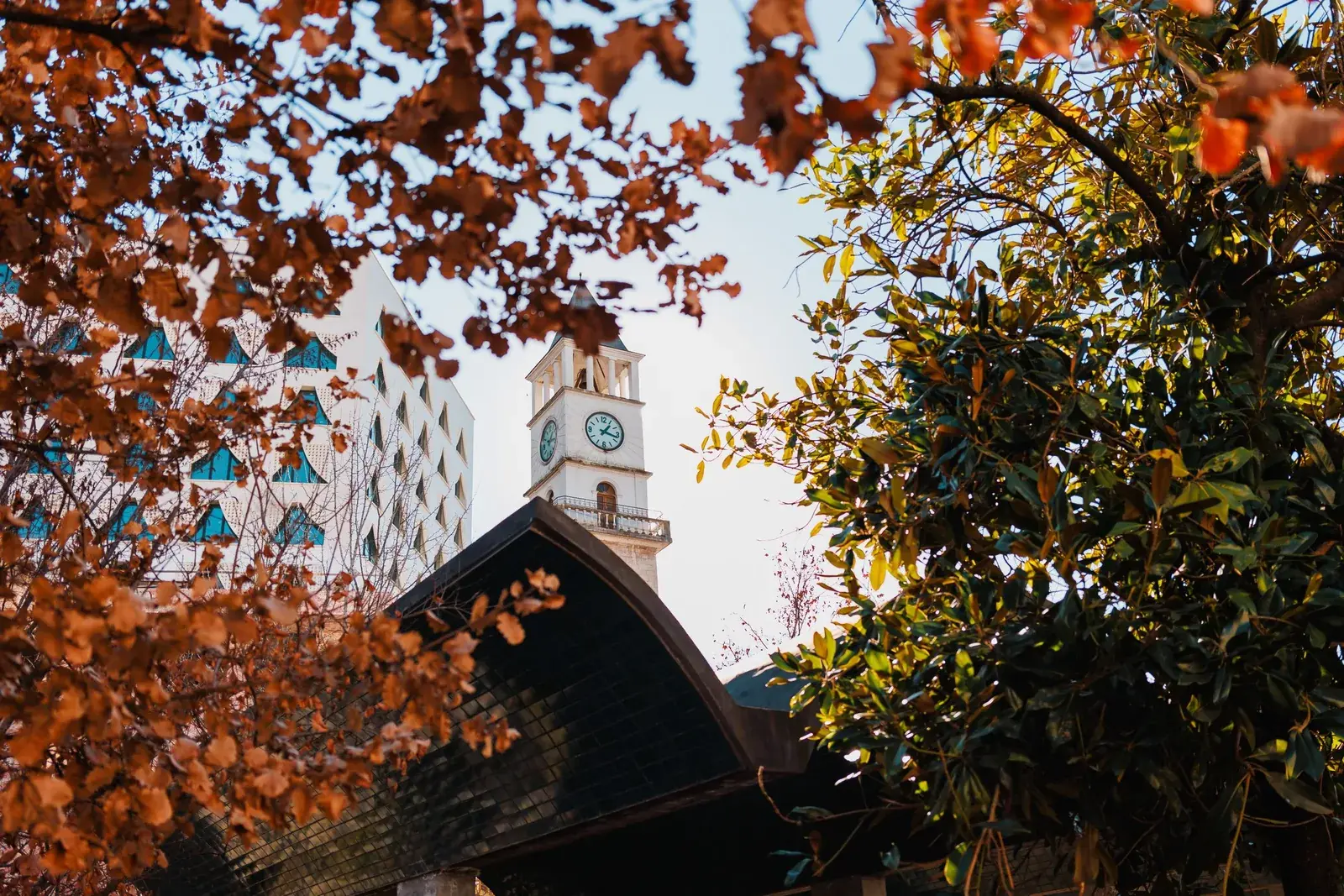
Photo: Albinfo / Wikimedia Commons, CC BY-SA 4.0
Why the loan currency matters
Most new home lending is in lek. If you are paid in lek, a loan in the same currency protects you from exchange-rate swings, because your instalment does not depend on the euro. For emigrants who earn in euros the calculation may differ; compare offers in both currencies.
The Bank of Albania held its policy rate at 2.5% at its early-August 2026 decision (Sot, 6 August 2026). At the time of writing we have found no newer decision. If you choose a variable rate, ask which benchmark it follows and how your instalment changes if that benchmark rises.
Work out the monthly payment before choosing a flat
The calculator below starts at the 3.9% average rate and a 25-year term. Change the price, down payment and rate to match the offer you have received. Try a higher rate too: if the payment is still affordable, you have a buffer for surprises.
- Monthly payment
- €627
- Loan amount
- €120,000
- Total interest
- €68,039
- Total paid (with down payment)
- €218,039
Remember that the mortgage does not cover everything. The notary, cadastre registration and other charges are usually paid from your savings; see our overview of property buying costs.
- Mortgage lending grew 16.1% year on year, while the average lek mortgage rate stayed at 3.9%.
- The Bank of Albania wants credit to grow carefully and ranks the property market as the second-largest risk to the financial system.
- How much you can borrow depends on LTV (the property valuation) and DSTI (your income and other debts).
- A loan in the currency you earn reduces exchange-rate risk; test the payment at a higher rate too.
Frequently asked questions
Sources
- Bank of Albania: Financial Stability Report for the first half of 2026, press release, 23 September 2026
- Monitor: Sejko to bank directors, credit growth must be careful and healthy (in Albanian), 16 September 2026
- Ekofin: Mortgage credit grows 16.1% (in Albanian), 16 September 2026
- Ekofin: Home prices up 10%, credit keeps feeding the market (in Albanian), 23 September 2026
- Bold News: House-price growth slows in 2026, 23 September 2026
- Sot: Bank of Albania keeps the policy rate at 2.5% (in Albanian), 6 August 2026
Read more
Share the article
New articles by email
Guides on buying, renting and the property market in Albania, straight to your inbox.
One email when we publish a new article. You can unsubscribe at any time. Privacy
Comments
Log in to join the conversation.
No comments yet. Be the first to share your view.