Off-plan buyer in a confiscated or seized building? What the new law changes
The 2 September draft on confiscated buildings gives buyers with a notarised contract and bank payments a route to ownership. What remains unresolved for SPAK seizures.
By Galip Sulaj7 min read
Many new apartments in Albania are sold before the building is finished, on an off-plan ("porosi") contract. That works well until the day the building is confiscated as unpermitted construction, or seized by prosecutors in a criminal case. On 2 September 2026, the government approved a draft law changing the rules for confiscated buildings and, for the first time, giving off-plan buyers a route to the property itself, not just a financial claim. Here is what changes, who is protected and what to check before you pay.
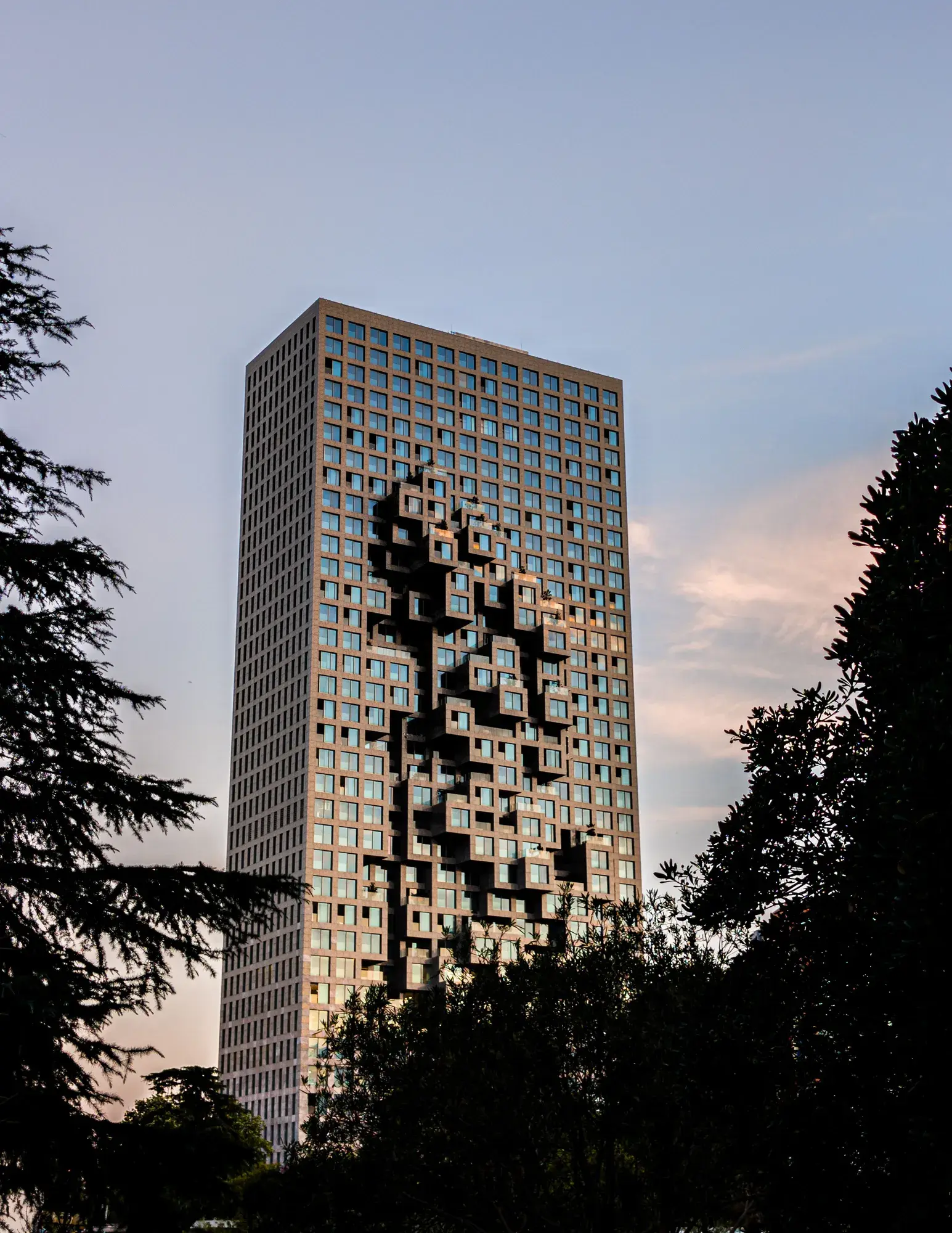
Cover photo: Mr Catographer / Unsplash
- Fund from selling confiscated buildings, to finish works and compensate buyers
- €3.5m
- Further income expected from developers' payments
- €9m
- Seized and confiscated apartments managed by AAPSK, according to Monitor
- €50m
- Assets managed by AAPSK, according to August 2026 data
- 345
Two different situations: confiscation and seizure
Before looking at the law, it helps to separate two cases that are often confused:
- Confiscation as unpermitted construction. When a building breaches its permit, for example with extra floors, the state can confiscate it. These buildings fall under Law no. 66/2023 on the administration of buildings confiscated as unpermitted constructions for public interest or social housing. This is the law the government is now amending.
- Seizure in a criminal investigation. When the Special Prosecution Office (SPAK) investigates a developer or the people financing it, a court can seize the building or apartments as a precautionary measure. These assets are managed by the Agency for the Administration of Seized and Confiscated Assets (AAPSK), but their fate is decided in the criminal case.
In both cases, a buyer who has paid can be left for years without the keys.
What the 2 September draft changes
According to Monitor, Hashtag.al and Top Channel, the draft amending Law 66/2023 brings these main changes:
- AAPSK takes over the administration of confiscated buildings, replacing the commission and implementation unit that previously managed them under the ministry responsible for the economy.
- Off-plan buyers are recognised. The financial obligation towards third parties who paid the developer is recognised if the contract was signed before a notary and registered with the State Cadastre Agency (ASHK) before the confiscation date, and if the payment was made through a bank.
- Ownership, not just money. According to Top Channel, once the building is completed and registered, the agency approves the transfer of ownership of the units to buyers and landowners in line with their contracts with the developer.
- Exceptional legalisation. Where the structure is complete but breaches its permit, and the units are held by third parties with notarised contracts, the building can be legalised under Law 20/2020. This excludes cases where the landowner is also the developer, contractor, supervisor or inspector.
- A working group at AAPSK assesses buildings and obligations towards buyers case by case, with licensed experts.
- A dedicated fund pays for completing the works and compensating third parties, financed by sales of buildings, the state budget and donations.
According to Monitor, the draft has 26 articles and takes effect 15 days after publication in the Official Gazette. According to JavaNews, occupants who voluntarily declare unpermitted buildings to the Territorial Development Agency (AZHT) within six months of entry into force gain a right of pre-emption.
| Sold (about €3.5 million in revenue) | 5 |
|---|---|
| Transferred to public institutions (Ministry of Health, ASHK) | 2 |
| Under promise-to-sell contracts | 3 |
| In negotiation with the developer | 3 |
| Awaiting a final decision by the commission | 13 |
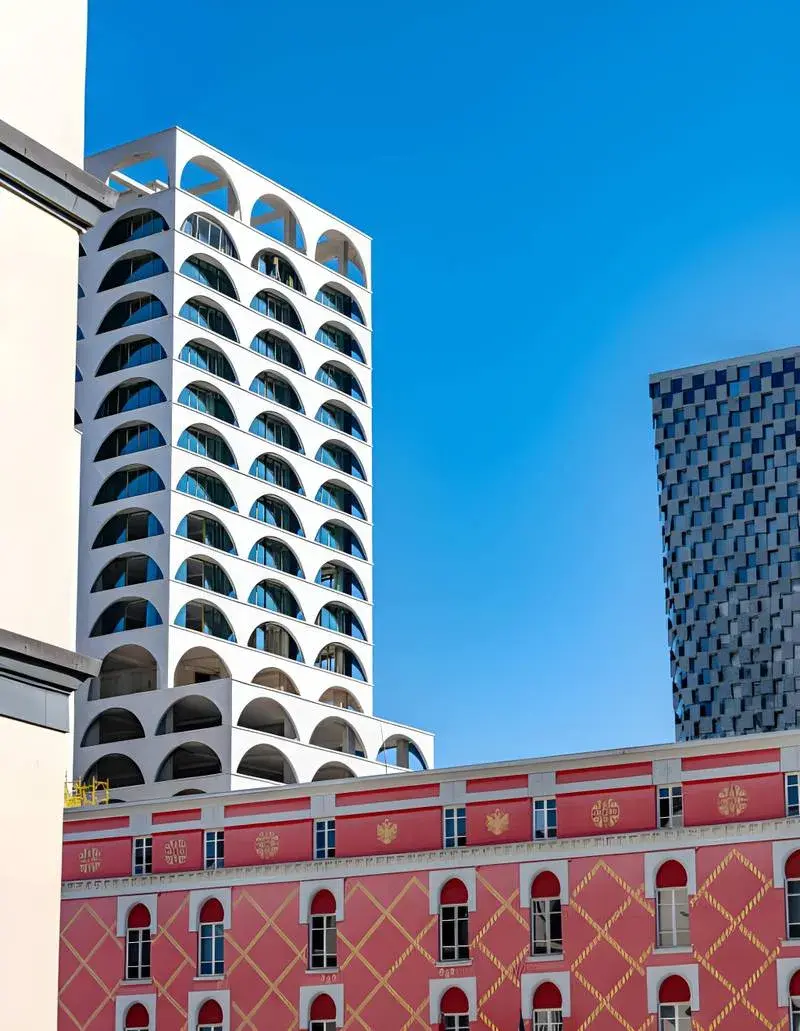
Photo: Marie Volkert / Unsplash
What about apartments seized by SPAK?
The draft does not resolve criminal seizures. According to Monitor, in August 2026 AAPSK was managing seized and confiscated residential assets worth about €50 million. Lawyers interviewed explain that a good-faith buyer does not automatically lose their rights when a property is seized, but must prove with bank records and a contract that the transaction was lawful. Notary Fatmir Laçej points out that almost 90% of projects in Tirana are financed by buyers through contracts, which makes this a far wider problem than a handful of isolated cases.
The practical problem is time. Lawyer Aigest Milo, a partner at Kalo & Associates, told Monitor that good-faith buyers often wait for years because court proceedings move slowly.
The good-faith buyer ends up playing ping-pong between the doors of justice without finding a body that will take responsibility.
As a solution, Milo proposes staged payments tied to the real progress of the works and verified by a third party, or blocked (escrow) accounts that release buyers' money to the developer only after certified stages are completed, as well as bank or insurance guarantees.
- Law no. 66/2023Regulates buildings confiscated as unpermitted construction.
- Debate over seized apartmentsMonitor: about €50 million of residential assets managed by AAPSK.
- Government approves the draftAmendments to Law 66/2023, with protection for off-plan buyers.
- Draft reaches ParliamentMonitor: the fund for works and buyers reaches €3.5 million.
How to protect yourself before buying off-plan
The new law helps only those who did everything by the book: a notarised contract, registration with ASHK and payment through a bank. So these are not formalities; they are your main protection.
For more practical steps, read our guide on buying an apartment off-plan and our article on more building permits but less value.
- Notary (0.3%)
- €360
- ASHK – registering the contract
- €55
- Ownership certificate + filing
- €77
- Buyer's costs
- €491
- Price + costs
- €120,491
Frequently asked questions
Sources
- Monitor: Government amends the law on confiscated buildings, how off-plan buyers will be protected (in Albanian), 2 September 2026
- Hashtag.al: Government amends the law on confiscated buildings (in Albanian), 2 September 2026
- Top Channel: Draft law on confiscated buildings, AAPSK takes over administration (in Albanian), 2 September 2026
- Monitor: Draft on confiscated buildings in Parliament, fund for works and buyers reaches €3.5m (in Albanian), 10 September 2026
- Monitor: €50m of seized apartments, what happens to buyers (in Albanian), 1 August 2026
- Monitor: Off-plan buyers of seized property will be caught in a justice ping-pong (in Albanian), 1 August 2026
- JavaNews: Unpermitted buildings, government amends the law, occupants gain a pre-emption right (in Albanian), 10 September 2026
Read more
Share the article
New articles by email
Guides on buying, renting and the property market in Albania, straight to your inbox.
One email when we publish a new article. You can unsubscribe at any time. Privacy
Comments
Log in to join the conversation.
No comments yet. Be the first to share your view.