The euro at 92 lek: what it changes for property buyers, sellers and emigrants
The euro has lost about 5% against the lek since January and the property market is shifting to the lek. How the rate affects prices, loans and money from abroad.
By Galip Sulaj7 min read
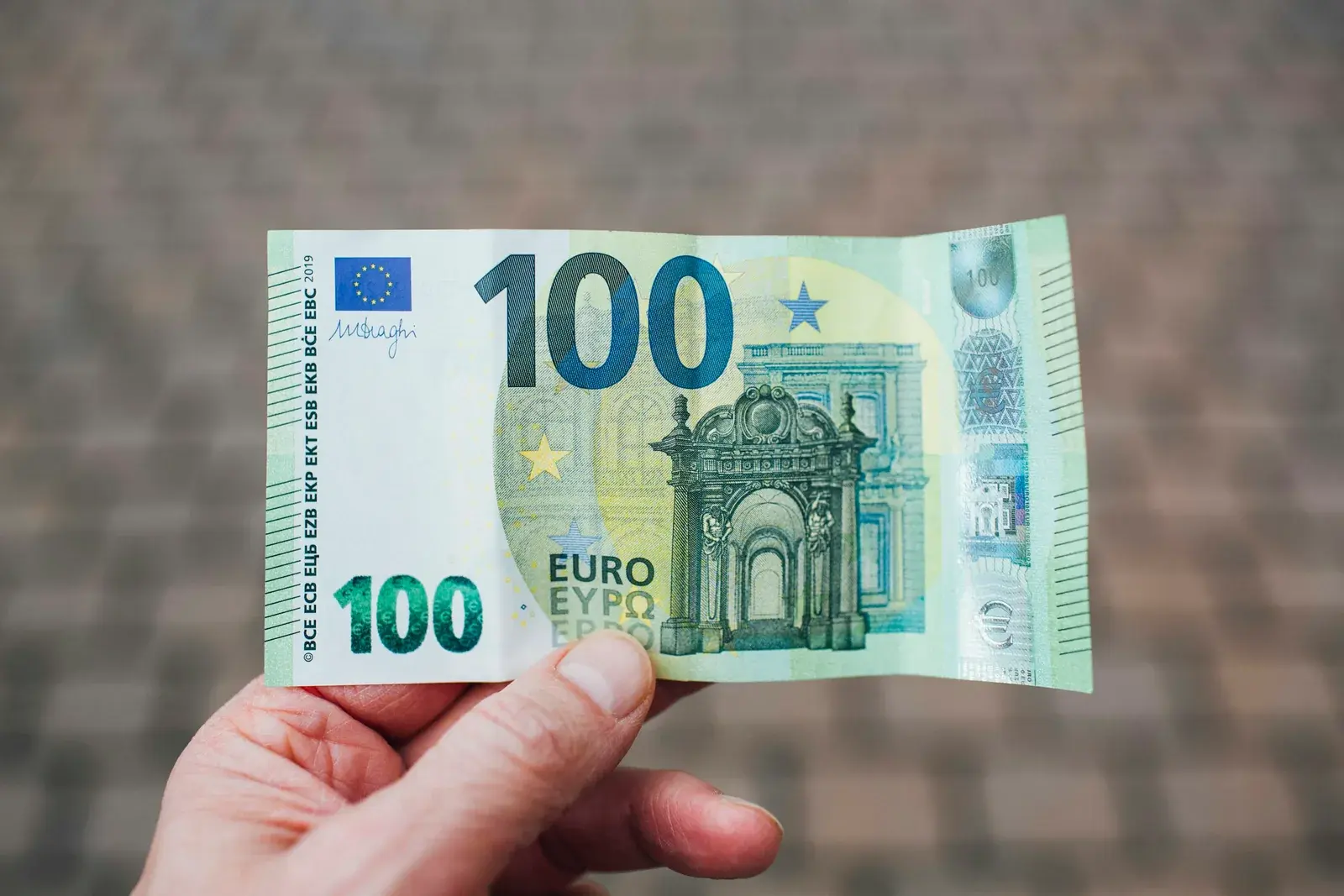
The exchange rate rarely makes it into property listings, but this year it is reaching straight into the pocket of every buyer and seller. On 28 September 2026, the Bank of Albania's official rate was 92.00 lek to the euro. In January, one euro bought about 96.6 lek. For a property priced in euros, the same price is now worth roughly 5% fewer lek. Who gains and who loses depends on the currency you earn, save and borrow in.
Cover photo: Markus Spiske / Unsplash
- Official euro rate, 28 September 2026 (Bank of Albania)
- 92.00 lek
- Fall of the euro against the lek since the start of the year, to 9 September 2026
- −4.9%
- Fall of the euro compared with a year earlier, 9 September 2026
- −5.3%
- Foreign investment in real estate, Q1 2026 (+65%)
- €172m
From 96.6 to 92 lek: the euro's slide in 2026
According to Lexo.al, the euro fell from about 96.6 lek in January to about 94.8 lek in June. On 3 August, Monitor reported an official rate of 93.36 lek, the lowest level up to that point and 3.5% below the start of the year. September took it further: 92.29 lek on 2 September and 92.02 lek on 9 September, very close to the 92.01 low recorded on 3 September, according to Bold News. The official rate on 18 September was 91.54 lek; by the end of the month the euro was back at around 92 lek.
| Category | EUR/ALL |
|---|---|
| January* | 96.6 lek |
| June* | 94.8 lek |
| 3 Aug | 93.36 lek |
| 2 Sep | 92.29 lek |
| 18 Sep | 91.54 lek |
| 28 Sep | 92 lek |
Year on year, the fall is about 5%. That may sound small, but on a purchase of hundreds of thousands of euros the difference runs to hundreds of thousands of lek.
Why the lek keeps getting stronger
Currency dealers and experts quoted by Monitor and Bold News link the euro's weakness to the large supply of foreign currency in the market. There are three main sources:
- Tourism. The long summer season brings a flood of euros into the country, and the summer months usually come with a falling exchange rate.
- Remittances. According to Lexo.al, emigrants sent €621.4 million home in the first half of 2026, 16.9% more than a year earlier.
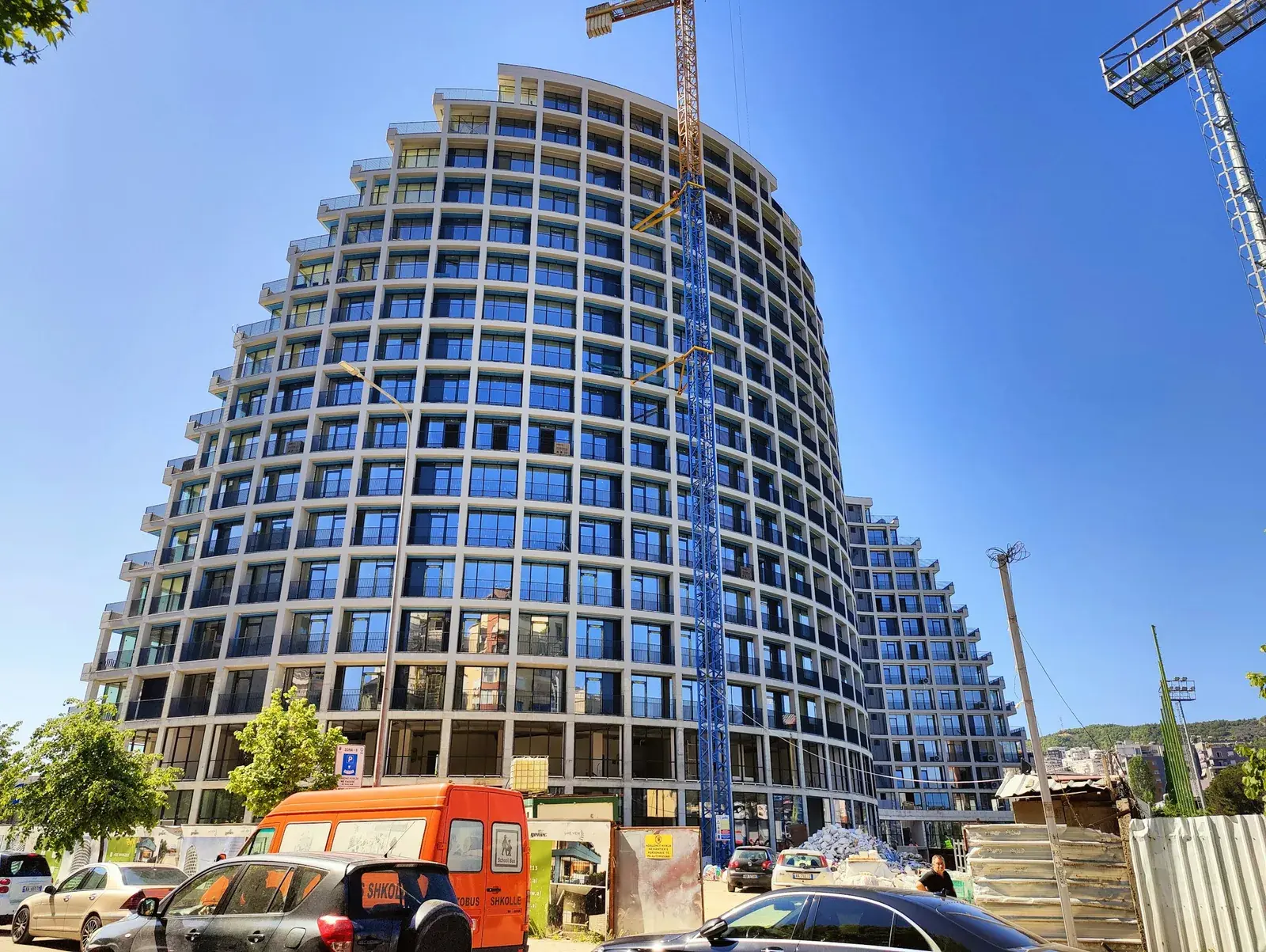
- Real estate. Foreign investment in real estate reached €172 million in the first quarter of 2026, up 65% year on year and about 43% of all foreign direct investment (Monitor, 3 August 2026).
In other words, the property market is not only affected by the exchange rate; it is also one of the reasons the euro is weakening. The Bank of Albania has stepped in by buying foreign currency. According to Bold News, it bought about €140 million in the first quarter, and in 2024–2025 it had withdrawn more than €2 billion from the market. Official intervention figures after March had not been published at the time of writing.
Photo: Albinfo / Wikimedia Commons, CC BY-SA 4.0
The property market is moving towards the lek
The bigger change for the market is not the rate itself but how buyers and banks are reacting. Bold News reports that the real-estate market has started to shift its price quotes and sales towards the lek, while lending to individuals is moving massively into lek, including conversions of existing euro loans into lek.
In the real-estate market, a shift of price quotes and sales towards the lek has started to be observed.
What it means in money
The table below shows how many lek you would need for the same €100,000 apartment at different points this year:
| January 2026 (approx.) | 96.6 | about 9,660,000 |
|---|---|---|
| 3 August 2026 | 93.36 | 9,336,000 |
| 28 September 2026 | 92.00 | 9,200,000 |
Between January and the end of September the difference is about 460,000 lek, without a single euro changing in the price.
If you earn and save in lek, a property priced in euros has become cheaper for you, even if the seller has not cut the price. That does not mean the market is cheap: according to the Bank of Albania, house prices rose 10% year on year in the first half of 2026 (see our analysis of the central-bank data).
If you are selling and need lek, for example to buy another property priced in lek or to settle obligations in Albania, the same euro price now brings you fewer lek. It is no coincidence that, according to Bold News, price quotes in the market have started to shift towards the lek.
If you live abroad or buy from abroad, your euros buy fewer lek. The euro price of an apartment does not change, but everything paid in lek, such as the notary, taxes, renovation and labour, now costs you more in euros. Our guide to buying from abroad explains the steps.
If you have or are taking out a loan, the basic rule still applies: borrow in the currency you earn. Someone paid in lek with a euro loan pays fewer lek per instalment today, but carries the risk that the rate turns. For current rates and lending limits, read home loans in autumn 2026.
When you send money from abroad for a deposit or the final payment, compare the rate your bank offers with the Bank of Albania's official rate. On 2 September 2026, the Bank of Albania approved changes requiring banks to show their rate upfront as a mark-up over the official rate, and to disclose conversion fees before a transfer is initiated.
Nobody can predict the exchange rate with certainty. The Bank of Albania buys foreign currency to soften the euro's fall, and in past years the rate has also moved the other way. Do not base a purchase decision only on the expectation that the euro will fall or rise.
Frequently asked questions
- The official euro rate was 92.00 lek on 28 September 2026, down from about 96.6 lek in January.
- Tourism, remittances and foreign investment in property are bringing more euros into the market.
- Property deals and loans are moving towards the lek, according to Bold News.
- For buyers earning in lek, euro-priced homes have become cheaper in lek; for emigrants, costs paid in lek have become more expensive.
- Borrow in the currency you earn, and always compare your bank's rate with the official rate.
Sources
- Bank of Albania: Official exchange rate, 28 September 2026
- Bold News: Euro keeps falling in September, close to breaking the 92-lek level (in Albanian), 9 September 2026
- Monitor: August starts with a deeper fall of the euro against the lek (in Albanian), 3 August 2026
- Kohajone: Lek exchange rate, 2 September 2026 (in Albanian)
- Kohajone: Exchange rate, 19 September 2026 (in Albanian)
- Lexo.al: Record remittances of €621 million in six months, but the exchange rate erodes their value (in Albanian), September 2026
- Hashtag.al: Bank of Albania, more transparency for foreign-currency payments (in Albanian), 2 September 2026
- Monitor: House-price growth slowed in the first half of 2026 (in Albanian), 23 September 2026
Read more
- Buying from abroad, step by stepPower of attorney and apostille, ASHK checks, the notary and paying by bank for those who live outside Albania.
- Buying costs, with a calculatorThe notary tariff, the ASHK fees and who pays which tax, with official sources.
- What is a home worth?A free estimate from similar listings and the official reference prices.
Share the article
New articles by email
Guides on buying, renting and the property market in Albania, straight to your inbox.
One email when we publish a new article. You can unsubscribe at any time. Privacy
Comments
Log in to join the conversation.
No comments yet. Be the first to share your view.